
Concussions in Children: What Parents Need to Know
Concussions are one of the most common childhood injuries, occurring not only in sports but also through everyday activities like falls, play, or car accidents. A concussion is a mild traumatic brain injury that temporarily affects how the brain functions—but without proper care, it can have lasting effects.
Understanding the signs, recovery process, and importance of treatment can make a critical difference in your child’s healing.
How to Recognize a Concussion in Children
One of the biggest challenges with pediatric concussions is that symptoms are not always immediate and can appear hours or even days after an injury. [cdc.gov]
Common symptoms in school-aged children:
Headache or pressure in the head
Dizziness or balance problems
Trouble concentrating or remembering
Fatigue or appearing “foggy”
Sensitivity to light or noise
Irritability, mood changes, or sleep disturbances [mayoclinic.org]
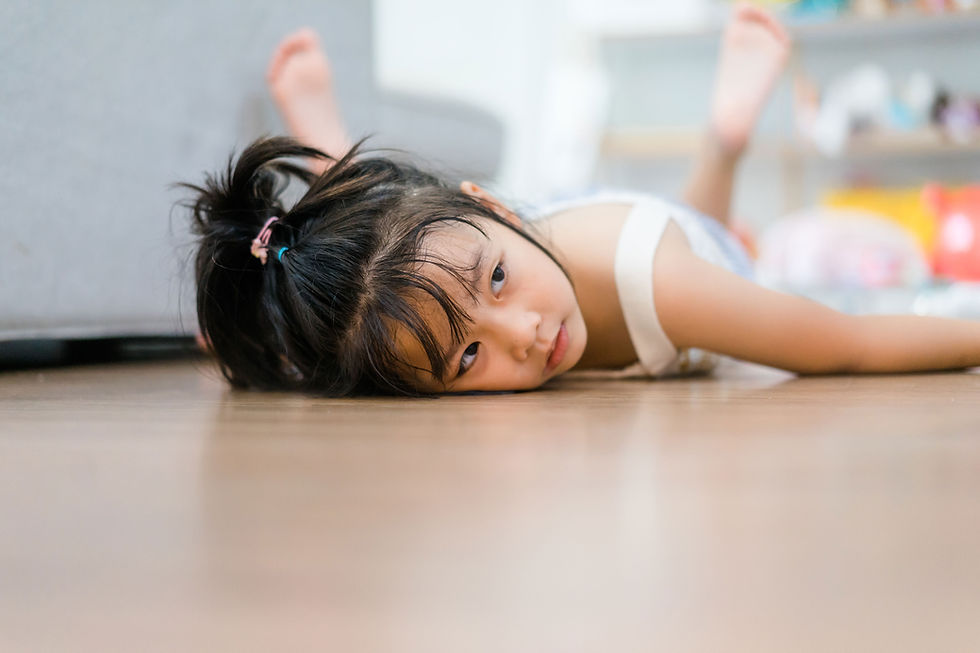
Signs in younger children (who may not be able to explain symptoms):
Increased crying or irritability
Changes in sleep or eating habits
Clumsiness or loss of balance
Lack of interest in play or favourite activities
Wanting more comfort than usual
Appearing dazed or “not themselves” [cdc.gov]
Because young children often cannot describe how they feel, parents should watch for changes in behaviour rather than waiting for complaints of pain.
Why Concussion Therapy Matters
Most children recover well—but only with proper management and guided care.
Research shows that concussion recovery should include:
A short period of rest (24–48 hours)
Gradual, supervised return to school and activity
Monitoring of symptoms and progression [cdc.gov]
Physiotherapy-led concussion treatment may include:
Balance and vestibular therapy
Visual tracking exercises
Gradual return-to-activity programs
Education for both child and parent
Early and guided rehabilitation has been associated with better outcomes and faster recovery, especially for children with persistent symptoms. [nemours.el...erpure.com]

Understanding Limitations After a Concussion
After a concussion, the brain needs time to heal. Returning to normal activity too quickly can worsen symptoms or delay recovery.
Children may need temporary limits on:
Screen time
School workload
Sports and physical activity
Loud or stimulating environments
A step-by-step return-to-learn and return-to-play approach is recommended to ensure safe recovery. [cdc.gov]
Risks of Poorly Managed or Repeated Concussions
Ignoring symptoms or rushing recovery can have serious consequences.
Children with a previous concussion are over 3 times more likely to sustain another concussion. [bjsm.bmj.com]
About 1 in 6 children may experience a repeat concussion within two years. [ncbi.nlm.nih.gov]
Multiple concussions can increase the risk of:
Prolonged recovery
Learning and memory difficulties
Long-term cognitive or emotional effects
Even more concerning is the risk of returning to activity before the brain has healed, which can increase the chance of more severe injury.

How Baseline Concussion Testing Helps
Baseline testing is a simple, pre-injury assessment of your child’s:
Memory
Balance
Reaction time
Cognitive function
This creates a personal “normal” for your child.
If a concussion occurs, healthcare providers can compare post-injury results to the baseline to:
Detect subtle changes
Track recovery progress
Make safer return-to-school and sport decisions [hackensack...health.org]
Because every child is different, baseline testing allows for more accurate and individualized care.
How Leduc Physio Can Help
At Leduc Physio, we support children and families through every stage of concussion care:
Comprehensive concussion baesline and post-injury assessments
Individualized recovery and therapy plans
Safe return-to-school and return-to-play guidance
Baseline concussion testing for individuals, teams, or families
Whether your child has recently experienced a head injury or you want to be proactive with baseline testing, our team is here to help ensure a safe, full recovery.
Book a concussion assessment HERE or email info@leducphysio to ask any questions.
References
Centers for Disease Control and Prevention (CDC). Signs and Symptoms of Concussion. [cdc.gov]
Centers for Disease Control and Prevention (CDC). HEADS UP Concussion Guidelines and Recovery. [cdc.gov]
Centers for Disease Control and Prevention (CDC). Returning to Sports and Activities After Concussion. [cdc.gov]
Mayo Clinic. Concussion in Children: Symptoms and Recovery. [mayoclinic.org]
van Ierssel, J., et al. (2021). Risk of Recurrent Concussion in Children and Adolescents. British Journal of Sports Medicine. [bjsm.bmj.com]
Curry, A. E., et al. (2019). Risk of Repeat Concussion Among Pediatric Patients. The Journal of Pediatrics. [ncbi.nlm.nih.gov]
Hackensack Meridian Health. Should Your Child Get Baseline Concussion Testing? [hackensack...health.org]
Isch, E. L., et al. (2024). Return-to-Play Guidelines in Pediatric Concussion: A Systematic Review. [nemours.el...erpure.com]


Comments